Hayley L'Huillier · Christchurch Marriage Celebrant
TL; DR
The blank page is the hardest part. Here's how to write personal wedding vows that actually sound like you, with prompts, structure, and a Christchurch celebrant's perspective.
The moment most couples dread about writing their own vows isn’t delivering them, it’s the blank page before they’ve written a single word. What do you even say? How personal is too personal? How long should they be?
As a Christchurch celebrant who helps couples with vow crafting all the time, I’ve found that the blank page problem almost always comes from not knowing where to start, not from lacking things to say.
Here’s how I help couples through it.
Start with stories, not sentences
The best personal vows are usually built from specific moments and specific truths rather than general statements about love. Before you write a single sentence of your actual vows, try answering these questions:
- The moment you knew. When did you realise this was the person? What were you doing? What were they doing?
- What I love most. Not in abstract terms, specifically. Is it how they make your morning coffee without being asked? How they remember the names of people you mentioned once six months ago? The way they laugh at their own jokes before they’ve finished telling them?
- How they’ve changed you. In what specific ways are you different, genuinely, concretely different, because of them?
- What you’re promising. Not generic promises (“I’ll always be there for you”) but the specific things that matter to your relationship. What has your relationship taught you about what they actually need from a partner?
Write your answers to these questions without worrying about them being “vow-shaped. ” Just answer honestly. The vow usually lives in those answers.
Structure: what actually works
Most personal vows that land well have a loose three-part structure:
- Where we came from, a moment, a memory, something about how you got here
- What I love about you, specific, concrete, yours
- What I’m promising, the actual vows, ideally specific to your relationship
You don’t need to follow this exactly, but it gives you a framework when the blank page is staring at you.
The length question
Two to four minutes is usually the sweet spot. That’s roughly 300–600 words when read at a comfortable pace.
Shorter than this and the vows can feel like they didn’t quite get there. Longer and you start to lose the audience, not because people stop caring, but because holding genuine emotion takes energy, and most people can’t sustain it beyond about four minutes.
The most powerful vows I’ve heard are usually under three minutes. They’re precise. Every sentence earns its place.
What to avoid
Generic sentences you could have found on Google. “I knew from the moment I met you that you were the one” is true for a lot of people, but if it sounds like something you found on a wedding website, your partner will hear it that way. Trade it for something specific.
Over-explaining. Vows aren’t an essay. You don’t need to justify your feelings or provide evidence. Trust the specific detail to do the emotional work.
Inside jokes without context. A brief inside reference can be wonderful, it creates a moment just for the two of you, but a string of them loses the guests and can make the vows feel closed rather than inclusive.
Trying to make everyone cry. The couples whose vows genuinely move people are the ones who say true things, not the ones trying to be emotional. Aim for honesty; the feeling will follow.
A note on nerves
Almost everyone is more nervous delivering their vows than they expected to be. Your voice will probably shake a little. That’s fine, it’s actually evidence that the moment is real. A few things that help:
- Practise out loud, not just in your head
- Have a written copy you can hold (it gives your hands something to do)
- Look at your partner, not the paper
The nervous voice is part of the thing. Don’t try to hide it.
If you’re finding the vow writing process genuinely difficult, vow crafting support is something I offer as part of every Arohanui ceremony. It’s not tutoring, it’s more like a conversation that unlocks what you already have to say.
Get in touch to talk about your ceremony.
Written by
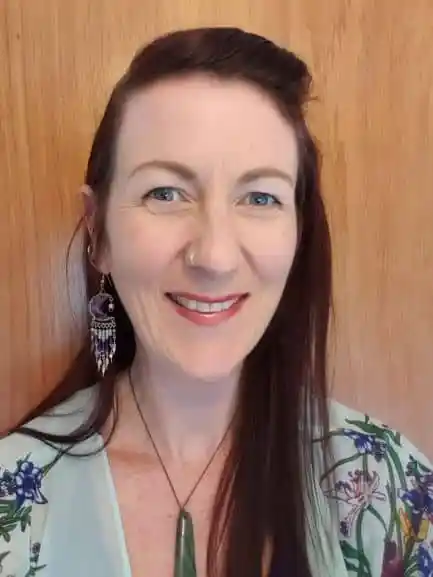
Hayley L'HuillierChristchurch marriage celebrant based in New Brighton. Hayley crafts deeply personal ceremonies for couples across all of Canterbury, weddings, elopements, vow renewals, and more.
About Hayley →