Hayley L'Huillier · Christchurch Marriage Celebrant
TL; DR
Everything you need to know about getting legally married in Christchurch, New Zealand, from the Notice of Intended Marriage through to your marriage certificate.
Getting legally married in New Zealand is genuinely straightforward, but there are specific steps that must happen in the right order, and missing one can cause real problems. This guide walks through the full process from the moment you’ve chosen your celebrant through to receiving your marriage certificate.
The two parts of getting married
Getting married has two distinct parts: the legal requirements (the Notice, the ceremony wording, the register, the certificate) and the ceremony itself (your vows, readings, personal elements, the whole experience of the day). They happen together, but they’re worth thinking about separately.
The legal requirements are fixed and can’t be changed. The ceremony is entirely yours to shape.
Step 1: Choose a registered celebrant
Only registered marriage celebrants can legally solemnise a marriage in New Zealand. You can check registration status on the Department of Internal Affairs website. Your celebrant handles most of the legal process on your behalf, which is one of the things you’re paying them for.
Hayley L’Huillier is a registered New Zealand marriage celebrant.
Step 2: File the Notice of Intended Marriage
At least three working days before your ceremony, you must file a Notice of Intended Marriage with Births, Deaths and Marriages (BDM) New Zealand. This is done online through the BDM website, and there’s a small fee.
The Notice records your names, birth dates, and the date and location of the ceremony. BDM will issue a marriage licence based on this notice, this is what your celebrant uses to officiate the ceremony.
Important timing notes:
- “Three working days” means business days, weekends and public holidays don’t count
- File well before the three-day minimum to avoid any risk of delays
- If you’re filing close to Canterbury Anniversary Day, Waitangi Day, or other public holidays, factor these in
Hayley guides you through this process for every ceremony she conducts.
Step 3: Provide identification documents
Both partners must provide:
- Proof of identity (passport or NZ driver’s licence)
- Proof of age (passport or birth certificate)
- If either partner has been previously married: proof that the marriage has ended (divorce certificate or death certificate)
Hayley will tell you exactly which documents are needed for your specific situation, particularly important if either partner is from overseas.
Step 4: The ceremony
The ceremony must include specific legal wording. New Zealand law requires:
- The celebrant declares that they know of no lawful impediment to the marriage
- Each partner in turn states: “I, [name], take you, [name], to be my legal wife/husband/spouse”
These declarations can be incorporated naturally into a personalised ceremony, they don’t have to feel clinical or disrupt the flow of what you’ve planned. Hayley weaves them in seamlessly.
Step 5: Sign the register
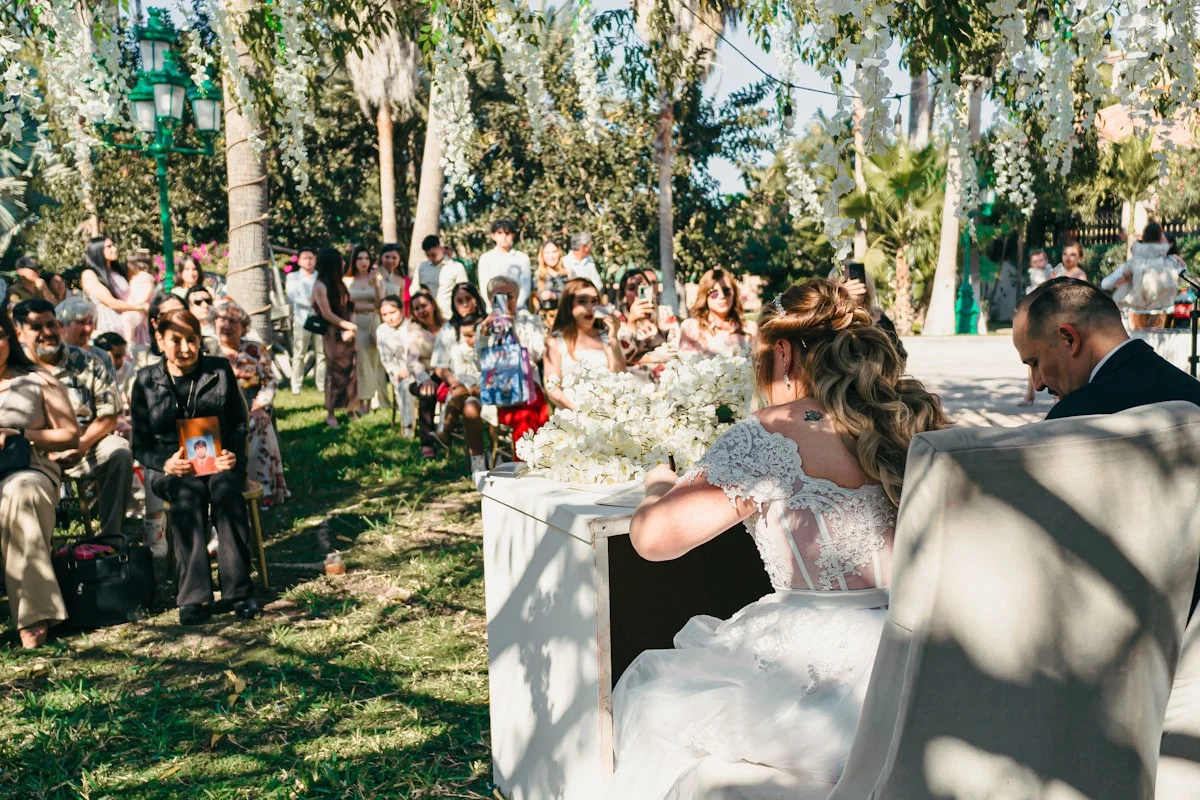
Immediately after the ceremony, both partners and two witnesses sign the marriage register. Your witnesses must be adults (18+) who were present at the ceremony. Hayley manages this moment, she has the register, she coordinates who needs to sign, and she makes sure everything is completed correctly.
Step 6: Certificate lodgement
Within a set period after the ceremony, your celebrant lodges the completed register with Births, Deaths and Marriages NZ. This is what makes your marriage legally official.
Hayley lodges the register promptly after every ceremony she conducts and lets you know when it’s done.
Step 7: Apply for your marriage certificate
Once the register is lodged, you can apply for your official NZ Marriage Certificate through the BDM website. Processing typically takes a few weeks. Your marriage certificate is the official document you’ll need for changing names, updating bank records, and other post-marriage administration.
Special situations
If one or both partners are from overseas
Overseas partners may need additional documents. Depending on citizenship status, these might include:
- Overseas birth certificate (possibly with apostille)
- Evidence that any previous marriage has ended (with certified translation if not in English)
Hayley advises on exactly what’s needed for your situation.
If you were previously married
You’ll need your divorce decree absolute (if divorced) or your previous partner’s death certificate (if widowed). Both documents must be originals or certified copies.
Short-notice ceremonies and elopements
The three working day minimum is the legal minimum, there’s no getting around it. If you’re planning a short-notice elopement, file the Notice of Intended Marriage as early as possible. Hayley can often accommodate short-notice ceremonies; get in touch as soon as you’re thinking about it.
Summary: your timeline
| When | What happens |
|---|---|
| As early as possible | File Notice of Intended Marriage with BDM NZ |
| At least 3 working days before | Notice must be filed by this point |
| Day of ceremony | Legal wording spoken, register signed by couple and witnesses |
| Shortly after | Celebrant lodges register with BDM |
| Weeks later | Apply for your marriage certificate |
Have questions about the legal process for your specific situation? Get in touch with Hayley, she answers these questions all the time and is happy to walk you through it.
Written by
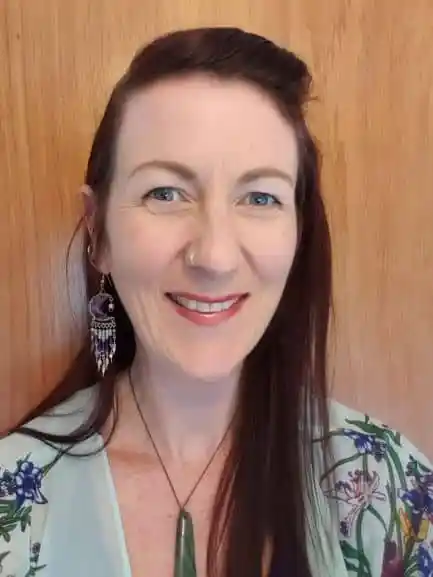
Hayley L'HuillierChristchurch marriage celebrant based in New Brighton. Hayley crafts deeply personal ceremonies for couples across all of Canterbury, weddings, elopements, vow renewals, and more.
About Hayley →